Bianca Fischer · 9 October 2026
Unpacking Log File Patterns During Complete Platform Overhauls
Platform overhauls involve extensive backend replacements that alter how servers record and process requests, and log files capture these shifts through changes in request volumes, response codes, and user agent distributions. Researchers track these records to identify when search engine crawlers adjust their behavior after such transitions, often noting spikes in 404 errors or drops in crawl frequency during the initial weeks. Data from multiple case studies shows that complete replacements of content management systems lead to distinct clusters in log entries, where certain IP ranges associated with major crawlers appear less frequently until new sitemap submissions take effect. Observers note that log patterns during these overhauls frequently reveal increased activity from verification bots in the first 48 hours, followed by steadier streams of standard crawler requests. This sequence emerges because platforms must reestablish trust signals through updated robots.txt files and certificate configurations. Studies indicate that organizations completing overhauls in early 2026 recorded up to 35 percent more HEAD requests in the transition phase compared to pre-overhaul baselines, according to internal telemetry shared across industry forums.Common Entry Types in Overhaul Logs
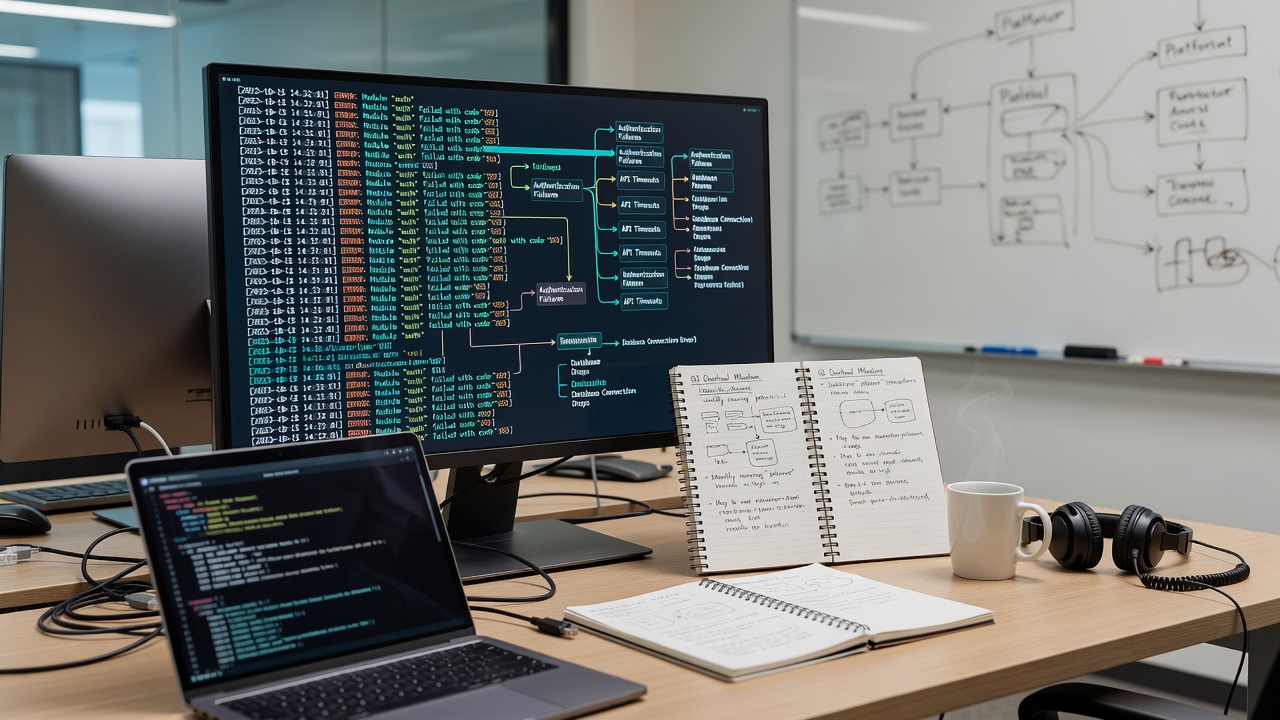
Log files from overhauled platforms display recurring sequences that analysts group into categories such as authentication redirects, asset loading failures, and API endpoint mismatches. These entries often cluster around specific timestamps when database migrations complete, creating visible gaps where no successful 200 responses appear for previously indexed URLs. People who monitor these files report that mobile user agents show different retry patterns than desktop ones, with mobile crawlers attempting more variations of the same path before abandoning it. But here's the thing: not every anomaly traces back to the overhaul itself. External factors like CDN configuration changes can produce similar spikes in 503 errors, which researchers distinguish by cross-referencing with deployment logs. Evidence from technical audits reveals that platforms using microservices architectures generate more fragmented log lines during cutovers, each service logging independently and creating overlapping timestamp records that require specialized parsing tools to untangle.Timing and Sequence Observations
Analysts examining logs from October 2026 overhauls found that crawler re-engagement typically follows a three-stage progression: initial verification within 24 hours, partial indexing recovery by day five, and full rate restoration after two weeks when new internal linking structures stabilize. These timelines vary based on domain authority metrics, yet the underlying log signatures remain consistent across different content types. One study of enterprise sites documented how error rate percentages dropped from 22 percent immediately post-overhaul to under 4 percent once canonical tags were fully propagated. What's interesting is how certain log fields, such as referer headers and query string parameters, shift in predictable ways. Pre-overhaul patterns show heavy reliance on legacy query formats, while post-overhaul files contain more RESTful endpoint references. This transition helps teams confirm that the new platform correctly handles parameter parsing without duplicating content signals.